
Black mold removal Fort Myers FL, handled with full containment
Dark, sooty or slimy growth on drywall, ceilings or wood is not something to scrub at with a rag. Call and we connect you with a local crew that seals the area, removes the colonized material and checks the result.
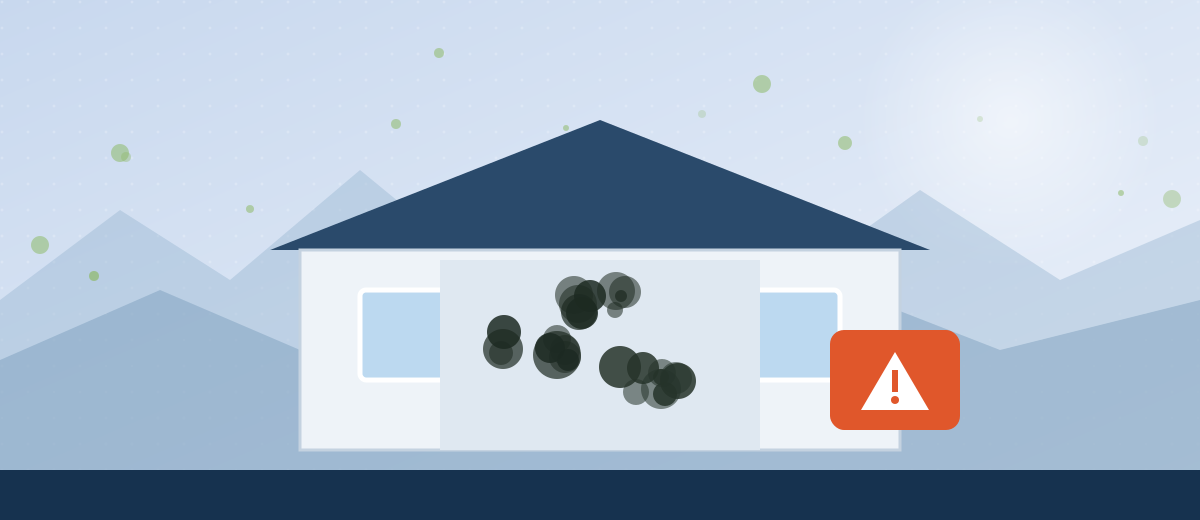
What black mold removal means and why the approach matters
The term black mold is used for dark-colored growth, and it often refers to Stachybotrys, a type that favors wet paper-faced drywall and cellulose materials that stay soaked for a long time. Not every black patch is that species, and color alone cannot identify it, but dark growth on wet materials deserves careful handling either way.
Black mold removal follows the same principles as any remediation, with extra attention to containment and dust control. The crew seals the area, runs HEPA air scrubbers, removes colonized porous materials in sealed bags and cleans the remaining structure with HEPA vacuums and damp wiping. Dry brushing or sanding without containment can fill the air with spores.
Searching for black mold remediation usually means you have seen dark growth and want to know what to do next. The safest first step is to stay out of the affected area, keep the HVAC from pulling air across it and call for an inspection.
Signs of black mold
- Black, dark green or gray patches that look sooty, slimy or powdery
- Growth on the paper face of drywall, ceiling tiles or wood after prolonged wetness
- A strong, earthy odor in a closed room
- Persistent staining around a leak that has been repaired
- Damp materials that never fully dry, such as insulation or subfloor
- Growth in bathrooms, under sinks, in lower-level rooms or on attic decking after roof leaks
- Symptoms such as coughing, sneezing, watery eyes or headaches that fade when you are away
Dark growth needs lab confirmation only if you need to know the exact species. For safety and cleanup planning, treat it as active mold, fix the moisture and use containment.
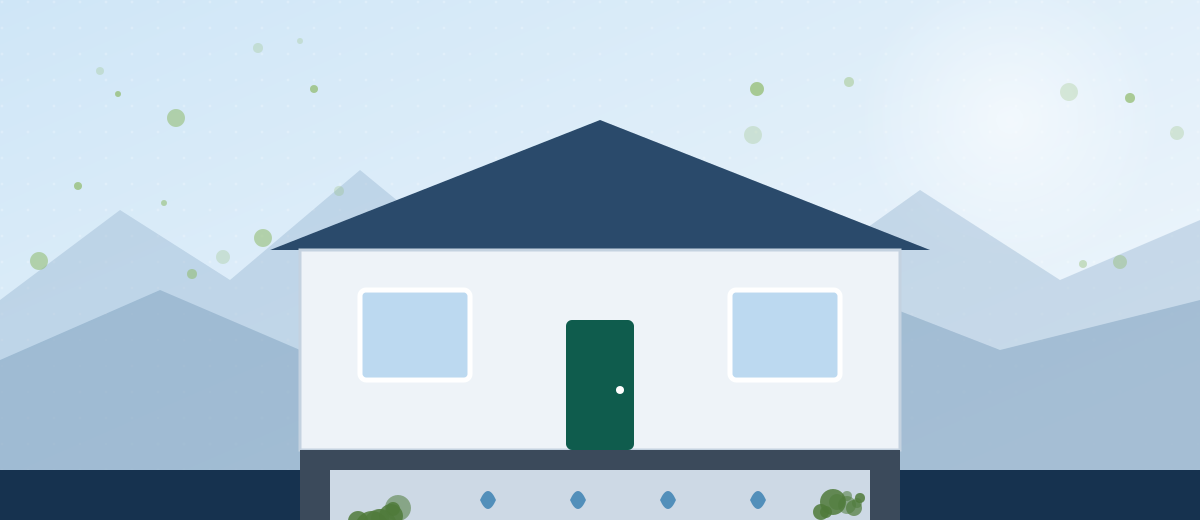
What feeds black mold in Southwest Florida homes
Long-term wetness
Black growth usually needs materials to stay wet for a week or more. Leaks that go unnoticed behind walls, under sinks or above ceilings supply that.
Water-damaged drywall
Paper-faced gypsum is a favored food source. After a flood or plumbing failure, wet drywall that is not dried or removed quickly can become colonized.
Roof and attic leaks
A slow roof leak wets decking and insulation, and an unvented bathroom fan that exhausts into the attic adds humidity. Both feed dark growth overhead.
Garage and air handler closet seepage
Low-lying lots and sandy soil push groundwater against walls. Without drainage or dehumidification, damp surfaces grow dark colonies in corners.
How black mold removal is done
Assessment
The crew documents the affected area, checks for hidden growth and measures moisture.
Personal protection
Technicians wear respirators, gloves, eye protection and disposable suits.
Containment and negative air
Plastic barriers isolate the work zone and HEPA machines keep it under negative pressure.
Controlled demolition
Affected drywall, insulation and other porous materials are misted, cut out and double bagged.
HEPA vacuum and damp wipe
Remaining framing and surfaces are cleaned, sanded when needed and vacuumed with HEPA filters.
Antimicrobial treatment and drying
Approved products treat the surface and dehumidifiers dry the structure.
Verification
A visual check and, if you want it, independent testing confirm the area is clean.
Is it black mold? What to do
| What you see | Likely situation | Recommended step |
|---|---|---|
| Small dark spots on bathroom tile grout | Surface mildew | Clean with detergent, dry and improve ventilation |
| Dark patch on drywall after a leak | Possible active growth | Stop the leak, call a professional |
| Sooty growth across a ceiling | Prolonged moisture | Professional containment and removal |
| Musty smell, no visible growth | Hidden source | Inspection with moisture mapping |
| Dark growth in HVAC registers | Duct or coil contamination | Inspection and HVAC cleaning plan |
Only a lab can identify a species. Cleanup planning does not depend on that, because any heavy growth is handled with the same containment.
Black mold in Fort Myers: local patterns
Lee County rainfall and humidity keep building materials near their moisture limit for much of the year. When an extra source of water appears, such as a cracked supply line or a roof leak after a thunderstorm, the margin for error is small. Homes with older plumbing in South Fort Myers, Whiskey Creek and South Fort Myers see more slow leaks inside walls.
Enclosed lanais and lanai rooms on low-lying lots in McGregor and Cape Coral can hold dampness behind paneling and drywall. Black growth shows up first in corners, behind furniture and at the base of walls.
Contractors who work this area plan for the age of the home, the type of air handler closet and the HVAC layout before they set containment. That local experience is the reason we route calls to nearby crews instead of generic national call centers.
Why not to scrub black mold yourself
Disturbing dark growth without containment lifts spores and fragments into the air, which then settle in other rooms. Household cleaners do not reach growth inside drywall or wood, and bleach adds moisture.
- Keep children, pets and anyone with breathing problems out of the area
- Turn off fans and the HVAC while you wait for help
- Do not sand, scrape or dry brush the surface
- Do not cover with paint or sealer
- Photograph the area and the water source for your records
- Fix or shut off the water supply if you can do so safely
Timeline and what you will notice
A small, contained area may take a day or two. Larger areas, whole rooms or attic decks take longer. Drying often adds several days, and rebuilding is separate. The crew provides a schedule after inspection.
You will see plastic barriers, air scrubbers running and bagged debris carried out. Odors drop as materials are removed. After clearance you can schedule drywall, insulation and paint repairs.
How to choose a black mold specialist
Ask any contractor that offers black mold remediation how they handle containment and verification. Compared with a general handyman, a specialist crew should have HEPA equipment, protective gear and a written scope. When you compare black mold cleanup options, look at process rather than slogans.
- Written containment and air filtration plan
- Willingness to fix or identify the moisture source
- Proof of insurance and relevant training
- Clear disposal and clean-up practices
- Offer of post-remediation verification
- No scare tactics or guarantees that mold will never return
Safety during and after cleanup
Professionals wear respirators rated for fine particles, disposable coveralls, gloves and eye protection. They work under negative air so contaminated air is filtered rather than leaking into the house. These precautions are part of doing the job right and are a good indicator of a serious contractor.
As a homeowner, you can help by staying away from the work zone, keeping children and pets out and following the crew's instructions about doors and HVAC. After the work, ask whether any items need to stay out of the area until verification. Wash hands after handling items from the affected room.
If you have breathing problems, a weakened immune system or allergy concerns, let your doctor know about the situation. Do not rely on a contractor for medical advice, and do not ignore symptoms that continue.
Typical situations that lead to a call
A ceiling after a roof leak
A Bonita Springs homeowner finds dark growth on a bedroom ceiling weeks after a storm. The crew removes the drywall, cleans the framing, and a roofer repairs the flashing.
Behind a washing machine
Dark growth appears behind a laundry closet in Pine Island after a slow supply line leak. The wall is opened, cleaned and rebuilt with new connections.
A bathroom wall that never dried
A Fort Myers Beach home shows dark spots around a shower. The tub surround is failing. The crew opens the wall, removes the damaged board and repairs the pan.
Myths about black mold
All black mold is toxic
Many molds are dark and species cannot be identified by eye. Health effects depend on exposure and the person, so heavy growth is handled with care regardless of species.
It is the end of the house
Black mold is serious but treatable. With the right removal and moisture control, homes recover.
Only old houses get it
New homes with leaks or poor ventilation get it too, often because building materials were wet during construction or after a plumbing event.
A coating will stop it
Coatings do not replace removal and drying. They are only useful after cleaning.
After black mold removal
Once the area passes verification, rebuild with materials that resist moisture. Paperless drywall, treated lumber and proper ventilation help.
Keep an eye on the area for the first season. If the odor or stain returns, call early because the moisture source may not be fully fixed.
- Use paperless or mold-resistant drywall where practical
- Ventilate bathrooms and laundry rooms
- Fix leaks quickly
- Keep humidity under 50 percent
- Inspect hidden areas after heavy rain
- Consider a clearance test for peace of mind
How the call works and what to have ready
You do not need to know the right trade or the right term to call. Tell us what you see, where in the house it is and your ZIP code. Whether you are asking about black mold removal or a related problem, the first call works the same way. We route the call to a local contractor who handles removal of black mold work in your area, so you speak with someone who does this job every week instead of a general call center.
The contractor then schedules a visit, inspects the problem and explains the scope in plain language. You decide whether to go ahead. There is no obligation to hire anyone, and there is no pressure to agree to work you do not understand. To make the first call productive, have these details ready:
- The room or area affected and how long you have noticed the problem
- Any recent leak, flood, roof damage or plumbing repair
- Whether there is a musty smell, visible growth or staining
- Whether anyone in the home has asthma, allergies or a weakened immune system
- Your ZIP code and the age of the home if you know it
- Photos of the problem area, if you can take them safely
If the situation is urgent, such as standing water, an active leak or widespread growth after a flood, say so at the start of the call so it can be routed quickly.
Areas we serve around Fort Myers
Calls come in from across Lee County and the neighboring counties. Local pages cover Cape Coral, Lehigh Acres, Bonita Springs, Estero, North Fort Myers, Fort Myers Beach and more. Related help includes mold removal, mold testing, bathroom mold removal, mold clearance testing.
Homeowners across Lee County ask us about black mold removal every week, and local crews handle it in every town listed here.
Questions and answers
Is black mold more dangerous than other mold?
Health effects vary by person and exposure. Some people react strongly to any mold. Treat all heavy indoor growth seriously and speak to a doctor if you have symptoms.
Can I tell black mold by color?
No. Many molds are dark. Only a lab can identify species, though cleanup is similar.
How fast does black mold grow?
Mold can begin within 24 to 48 hours of water damage. Dark, established growth usually needs longer periods of persistent moisture.
Should I test before removal?
Not required for cleanup. Testing is useful if you want to confirm what is present or verify afterward.
Is it safe to stay home?
Stay out of the affected room, keep doors closed and avoid running the HVAC through it. People with asthma or weakened immune systems may want to stay elsewhere during work.
Will insurance cover black mold removal?
It depends on cause and policy language. Sudden water events are treated differently from long-term leaks. Check with your insurer.
How do I keep it from returning?
Fix the leak, dry materials, keep humidity between 30 and 50 percent and ventilate bathrooms and kitchens.
What areas do you cover?
Fort Myers, Cape Coral, Lehigh Acres, Bonita Springs, North Fort Myers, Punta Gorda, Naples, Alva, Pine Island, Fort Myers Beach, Estero, South Fort Myers and Sanibel.
Can black mold go away on its own?
No. It may go dormant when dry but returns when moisture comes back. It still needs cleaning.
Do I need to throw away belongings?
Hard items can be cleaned. Porous items such as soft furniture and papers with heavy growth may need disposal.
How do I protect myself while waiting?
Keep the area closed, avoid disturbing it and limit time in the room.
Keep exploring
More mold services
Areas we serve
Mold guides
Talk to a Fort Myers mold pro today
One call, one local contractor, no runaround.